Organic Soil Management Practices for Long-Term Productivity
Long-term productivity in farming depends on one thing more than any other: healthy soil.
When soil is managed organically, it becomes richer in organic matter, more active biologically and more
resilient to drought, compaction and nutrient loss. That is why organic farming is not only about
avoiding chemicals; it is about building a soil system that can keep producing season after season.
For local farmers, this approach is especially important because soil degradation often
happens slowly and silently. A field may still produce, but if soil microbes decline, organic matter
drops and nutrient cycling weakens, yields eventually become harder to maintain. Organic soil management
practices help reverse that trend and support sustainable agriculture in a practical, field-ready way.
Why soil management matters
Soil is more than a growing medium. It is where nutrients are stored, released and
recycled. It also provides the habitat for beneficial organisms that support root health and crop
growth. When soil management is poor, the farm may rely more heavily on external inputs, which can raise
costs and reduce resilience.
Good soil management improves soil structure, moisture retention, aeration, and
biological activity. That means crops can access soil nutrients for plants more efficiently and farmers
can build stronger farming systems over time. For sustainable agricultural practices, this is the
foundation of long-term productivity.
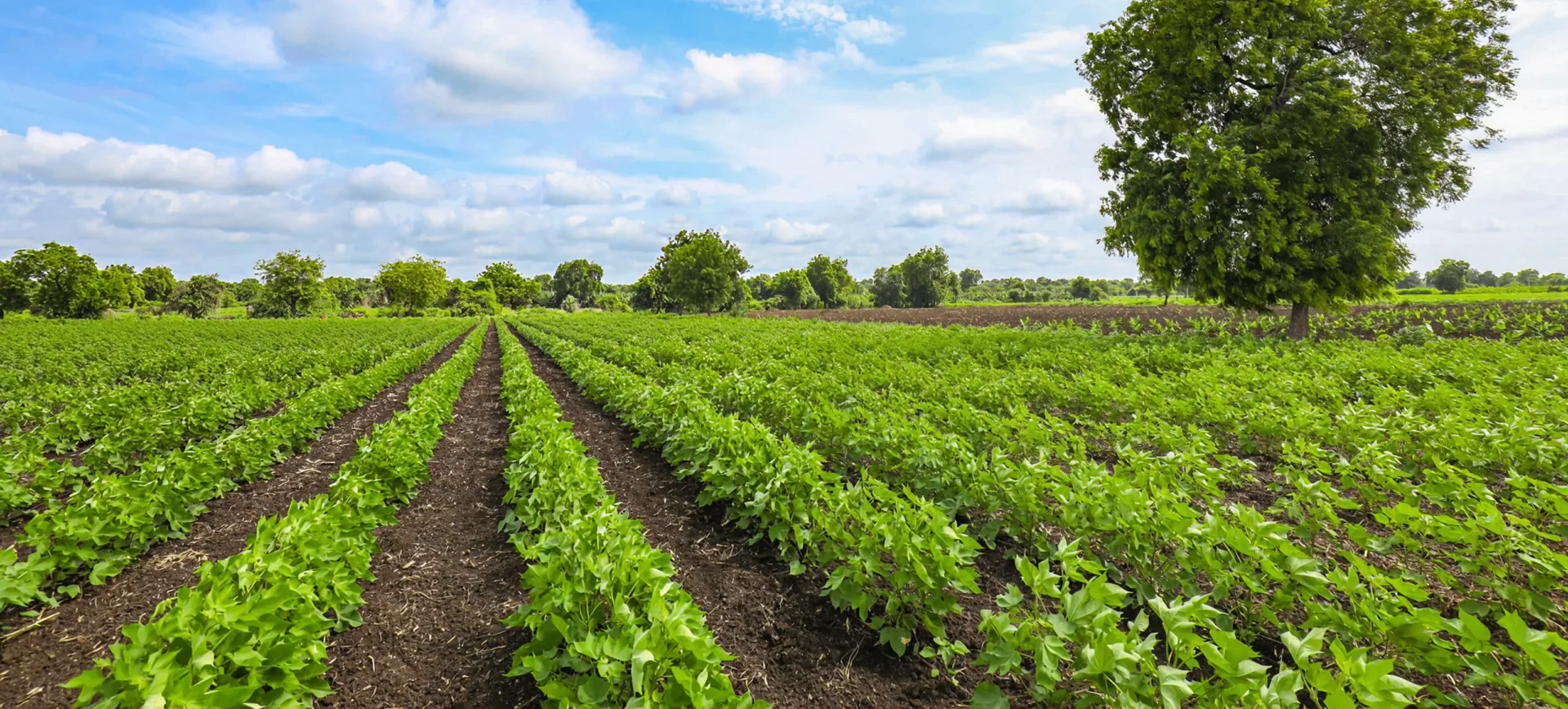
Healthy soil with good structure and organic matter creates the right environment for
roots and microbes to work together.
Build organic matter first
The first rule of organic soil management is simple: feed the soil before feeding the
crop. Compost, crop residue, green manure, farmyard manure and fermented organic manure all help rebuild
organic matter and improve structure. As organic matter increases, the soil becomes better at holding
water, retaining nutrients and supporting life.
This matter because organic matter is the main energy source for soil microbes. Without
it, microbial activity slows and nutrient cycling weakens. That is why organic manure and fermented
organic manure are essential in sustainable farming practices.
Protect soil with cover
Bare soil loses moisture quickly and is more vulnerable to erosion and temperature
stress. Covering the soil with mulch, residue or cover crops helps protect the surface and keeps
microbial activity more stable. Cover crops also add biomass and, in the case of legumes, can help with
nitrogen fixation.
A covered soil surface is one of the simplest agricultural solutions for protecting
long-term fertility. It also reduces weed pressure and helps farms reduce unnecessary tillage. This is
one reason many organic agriculture systems rely heavily on residue retention and living cover.
Reduce unnecessary tillage
Excessive tillage disturbs soil aggregates, exposes organic matter to rapid
decomposition, and damages microbial habitat. Over time, this can reduce soil health and make the soil
more dependent on outside correction. A reduced-tillage approach preserves structure and helps the soil
hold more water and nutrients.
This does not mean the soil should never be worked. It means disturbance should be
limited to what is truly needed. For farms trying to improve sustainability, minimizing disturbance is
one of the most effective long-term management steps.
Use biofertilizer with organic inputs
Biofertilizer adds beneficial microbes that help release nutrients, improve root
development and support healthier soil biology. It works best when the soil already has enough organic
matter to feed and protect those microbes. That is why biofertilizer should be used alongside compost,
manure or fermented organic manure rather than as a stand-alone fix.
This combination is especially useful for farms that want to reduce chemical dependence
while still maintaining productivity. Many farmers find that the best results come from pairing
biological inputs with organic base nutrition.
Add liquid support when crops need it
Liquid fermented organic manure can be useful during active growth stages because it
gives faster support than solid inputs alone. It can be applied through irrigation or as a foliar spray,
depending on the crop and field conditions. This makes it practical for crops that need quick recovery
after transplanting or stress.
A balanced program may include solid organic matter for structure and liquid inputs for
timely support. That balance helps farming solutions stay flexible across seasons. It also improves the
efficiency of organic fertilizer for farming without relying on synthetic correction.
Rotate crops and diversify roots
Different crops feed different microbes and that diversity strengthens soil over time.
Crop rotation helps break pest and disease cycles, balances nutrient demand and increases microbial
variety. Cover crops and intercrops add even more diversity to the system.
A diverse root zone is one of the best ways to improve soil fertility naturally. It
supports stronger biological activity and makes the soil more resilient to weather stress. In
sustainable agriculture, diversity is not a side benefit; it is a core strategy.
Manage moisture and drainage
Microbial life depends on balance. If soil is too dry, microbial activity slows. If it is
too wet or poorly drained, oxygen drops and beneficial microbes struggle. Good irrigation scheduling,
mulching and drainage management all help maintain the right soil environment.
For perennial crops, especially coconut, consistent moisture management around the feeder
root zone is vital. This is where organic manure for coconut farming and mulch work especially well
together. They keep roots active and help the soil stay biologically productive.
Soil testing improves decisions
Organic soil management becomes much more effective when it is guided by soil testing. A
soil report shows pH, EC, organic carbon and nutrient status, which helps farmers choose the right
organic inputs instead of guessing. That means a farm can match compost, biofertilizer, or fermented
organic manure to actual field conditions.
For farms looking for soil health solutions for farmers, this is one of the most
important steps. It prevents overuse, reduces waste and improves the consistency of results.
Long-term benefits for farms
When organic soil management is done well, the benefits accumulate:
- Better soil structure.
- Higher water-holding capacity.
- Stronger root growth.
- More active soil microbes.
- Improved nutrient cycling.
- Greater resilience to heat and drought.
- More stable yields over time.
These outcomes are why sustainable agriculture solutions matter for the future of
agriculture. A farm that builds soil health will usually need less correction later.
| Practice |
Main benefit |
Long-term impact |
| Organic manure |
Builds organic matter |
Better fertility and structure |
| Biofertilizer |
Activates microbes |
Improved nutrient release |
| Mulch and cover crops |
Protects the surface |
Less erosion and moisture loss |
| Reduced tillage |
Preserves soil habitat |
Stronger soil biology |
| LFOM |
Supports rapid crop response |
Better seasonal recovery |
Explore agricultural solutions that support long-term soil
productivity and organic farm management.
Coconut and perennial crop focus
Perennial farms need a steady soil-building approach because the crop stays in the same
field for many years. For coconut growers, regular use of organic manure, biofertilizer and liquid
fermented organic manure can improve feeder root health and help maintain productivity. This is
especially useful when combined with mulch and residue recycling.
For farmers seeking direct from farm supply and practical soil health solutions,
consistency matters more than occasional heavy feeding. A steady program supports root activity and
long-term soil fertility better than one-time corrections.