Understanding NPK in Organic Farming Without Chemical Dependence
Understanding NPK in organic farming means learning how nitrogen, phosphorus and
potassium can be supplied through natural inputs without depending on synthetic chemicals. For farmers
focused on sustainable agriculture, the key is not copying chemical NPK formulas exactly, but building a
healthy soil system that slowly releases nutrients through organic manure, biofertilizer, fermented
organic manure and liquid fermented organic manure.
In organic farming, NPK still matters because crops need the same basic nutrients. What
changes is the source, timing and release pattern. That makes soil health, soil microbes and organic
matter even more important for long-term soil fertility and stable harvests.
What NPK means in organic farming
NPK stands for Nitrogen, Phosphorus and Potassium. Nitrogen supports leafy growth,
phosphorus supports roots and flowering, and potassium supports fruit quality, stress tolerance and
overall plant strength. In organic agriculture, these nutrients come from compost, manure, plant-based
materials, biofertilizer and microbe-driven nutrient cycling instead of chemical bags.
This is why an organic fertilizer for farming system works differently from synthetic
fertilizer. The soil becomes the nutrient engine, not just the crop feeder. For local farmers, that
means better long-term resilience and fewer sudden drops in soil health.
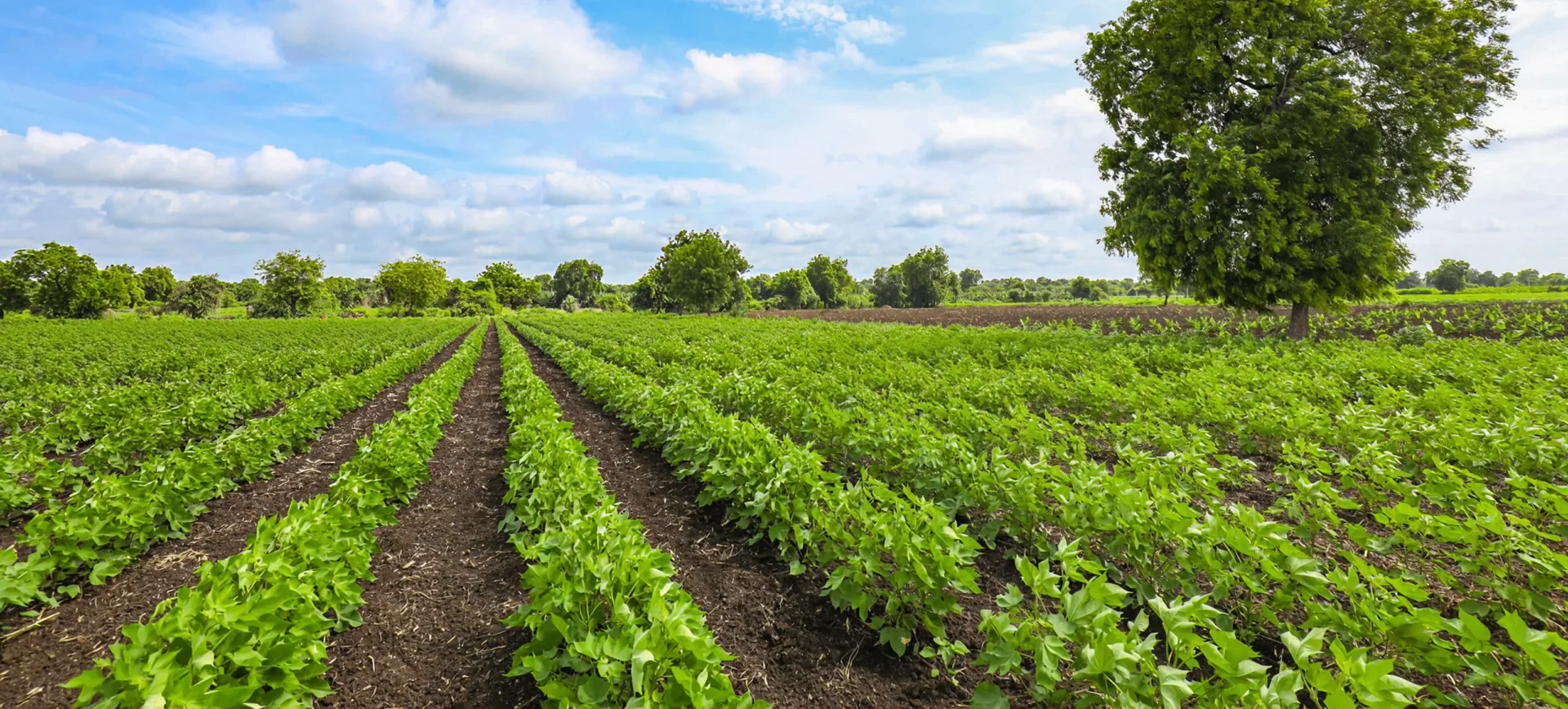
A healthy soil profile with active roots and organic matter is the foundation of natural
NPK supply.
Nitrogen in organic systems
Nitrogen is the nutrient that drives leaf and stem growth. In organic farming, nitrogen
can come from compost, green manure, legume crops, fermented organic manure and nitrogen-fixing
biofertilizer. These sources release nitrogen more slowly than synthetic urea, but they also support
better soil structure and microbial life.
If a farm has poor vegetative growth, the soil may need more organic nitrogen support.
This is especially important in agriculture farming systems where repeated cropping has reduced soil
organic matter. The right balance of organic manure and biofertilizer helps soil microbes keep nitrogen
available during key growth stages.
Phosphorus in organic systems
Phosphorus is important for strong roots, flowering and fruit set. In organic farming,
phosphorus often comes from compost, bone-based materials, rock phosphate, and microbial activity that
helps unlock bound phosphorus in soil. Without enough phosphorus, crops may grow slowly, form weak roots
or flower poorly.
This is where biofertilizer becomes especially valuable. Phosphate-solubilizing microbes
can help convert unavailable phosphorus into usable forms, improving soil nutrients for plants without
heavy chemical dependence. For many farms, that is one of the most practical agricultural solutions for
improving yield.
Potassium in organic systems
Potassium supports water regulation, disease tolerance, and fruit quality. In organic
agriculture, potassium can come from wood ash, compost, banana-based materials and microbial release
from organic matter. It is especially important during fruiting and maturity because it improves crop
strength and quality.
A field with low potassium may show weak stems, poor fruit filling, or low stress
tolerance. Using organic manure, mulch and liquid fermented organic manure can help maintain more stable
potassium availability over time.
Why organic NPK works slowly
Organic NPK does not behave like synthetic NPK. It releases gradually as the soil biology
breaks down organic matter. This slower release is often a benefit, because it reduces nutrient loss and
supports the soil more sustainably.
That is why sustainable farming practices rely on building the soil first. Instead of
forcing a quick response, the farm becomes more self-regulating over time. This is one of the clearest
benefits of sustainable agricultural practices in the future of agriculture.
How to build natural NPK supply
A strong organic NPK plan usually includes:
- Compost or farmyard manure for base nutrition.
- Green manure or legume crops for nitrogen.
- Biofertilizer for microbial activation.
- Fermented organic manure for slow-release support.
- Liquid fermented organic manure for faster crop-stage feeding.
These inputs work together better than any single input alone. That is why many farmers
choose an integrated approach rather than depending on one product for all three nutrients.
Matching NPK to crop stage
Different crop stages need different nutrient emphasis. Early growth needs more nitrogen.
Flowering and rooting need more phosphorus. Fruit filling and stress control need more potassium. In
organic farming, that means planning inputs by stage rather than applying everything at once.
A simple seasonal pattern can look like this:
- Pre-planting: compost and organic manure.
- Early growth: biofertilizer and nitrogen-rich organic inputs.
- Flowering: phosphorus-supporting organic amendments.
- Fruit stage: potassium-supporting organic materials.
- Post-harvest: residue recycling and soil rebuilding.
This makes farming solutions more precise and reduces waste.
Coconut and perennial crop management
Perennial crops like coconut need steady root-zone fertility over many years. In these
systems, organic manure for coconut farming is often combined with
biofertilizer and mulch to keep nutrients cycling in the feeder root zone. This supports better water
use, stronger roots and more stable productivity.
For farmers managing plantation crops, the balance of NPK must be maintained season after
season. That is why direct from farm inputs and field-tested organic soil conditioner products are so
valuable.
How microbes help NPK availability
Soil microbes are the hidden workforce behind organic NPK. They break down organic
matter, release nutrients and improve root access to those nutrients. Without active soil microbes, even
good organic inputs will not perform as well.
That is why biofertilizer is not optional in a serious organic system. It is a core part
of soil health solutions for farmers who want natural nutrient release and better long-term fertility.
Signs that NPK balance is off
Farmers should watch for these signs:
- Pale leaves or weak growth may suggest low nitrogen.
- Poor rooting or delayed flowering may suggest low phosphorus.
- Leaf edge burn, weak fruiting, or poor stress tolerance may suggest
low potassium.
These signs do not replace soil testing, but they help farmers understand what the crop
may need. The best results come when visual observation is paired with a soil test and a seasonal
nutrient plan.
| Nutrient |
Main function |
Organic sources |
| Nitrogen |
Leaf and stem growth |
Compost, legume residue, FOM |
| Phosphorus |
Roots and flowering |
Bone meal, rock phosphate, biofertilizer |
| Potassium |
Fruit quality and stress tolerance |
Wood ash, mulch, LFOM |
Explore agricultural solutions that support balanced nutrient
management without chemical dependence.