Signs Your Farm Soil is Unhealthy – And How to Fix It Naturally
Signs your farm soil is unhealthy often appear in poor crop performance, visible soil changes and low biological activity, signalling urgent need for natural fixes like organic manure and biofertilizer to restore soil fertility. For Indian local farmers practicing sustainable agriculture, recognizing these red flags early enables chemical-free revival through fermented organic manure and liquid fermented organic manure, boosting soil microbes and long-term yields in organic farming.
Unhealthy soil undermines agriculture farming by limiting root growth, nutrient uptake and resilience to drought or pests. Common culprits include over-tilling, chemical overuse, monocropping and erosion, prevalent in India's intensively farmed regions like Punjab and Tamil Nadu. Addressing them with sustainable farming practices not only revives soil health but supports the future of agriculture profitably. This guide details 10 key signs, diagnostic tips and proven organic solutions tailored for smallholder farmers.
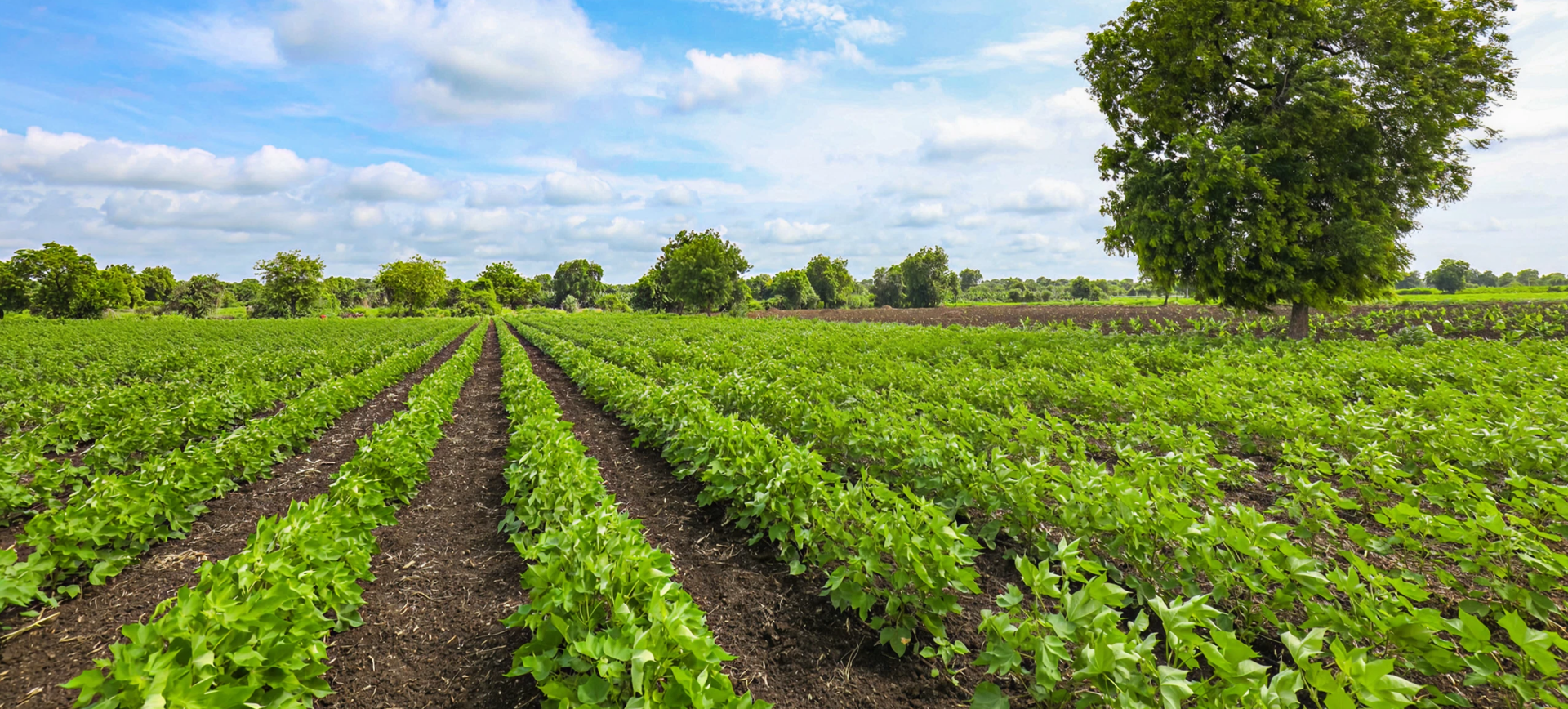
Cracked, compacted soil surface on an Indian farm, a classic sign of poor soil health before natural amendments.
Sign 1: Stunted or Yellowing Crops (Chlorosis)
Yellow leaves, especially lower ones or dwarfed plants despite watering indicate nitrogen deficiency or pH imbalance locking nutrients.
In India, urea overuse skews NPK, causing iron/manganese shortages.
Fix: Test soil pH (ideal 6.5-7.5); apply fermented organic manure (FOM) at 150 kg/acre basally to release N slowly via soil microbes. Foliar spray liquid fermented organic manure (LFOM) diluted 1:50 weekly greens up crops in 2-3 weeks.
Sign 2: Compacted, Hard Soil
Soil that bakes like concrete, resisting shovel penetration (>5 cm hardpan), blocks roots and water infiltration.
Heavy machinery and rain on tilled fields cause this in rice-wheat systems.
Fix: Avoid tillage; add FOM (5-10 t/ha) + green manures like dhaincha to create aggregates. Earthworms return in 3 months, improving aeration for soil health.
Sign 3: Water Pooling or Runoff
Puddles after light rain or rapid runoff signal poor structure/clay dominance, leading to erosion.
Fix: Mulch with crop residues (5-10 cm); incorporate organic manure to boost organic carbon >1%. LFOM fertigation enhances infiltration.
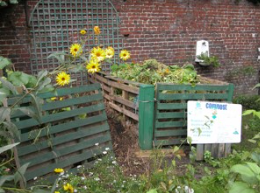
Water logging on unhealthy soil vs. well-draining amended plot, highlighting structure issues.
Sign 4: No Earthworms or Soil Life
Digging reveals few/no worms, ants or fungi - healthy soil teems with 1,000+ earthworms/m² and diverse soil microbes. Chemicals kill them.
Fix: Apply biofertilizer (Azospirillum/PSB) + FOM to revive the soil food web; populations rebound in 6 months.
Sign 5: Foul Odor or White Crust
Rotten egg smell (anaerobic) or salt crusts indicate waterlogging/salinity. Common in irrigated Gujarat.
Fix: Improve drainage; use FOM + gypsum for leaching, reducing EC 20-30%.
Sign 6: Weed Explosion and Pests
Weeds thrive in bare, nutrient-poor soil; pests surge without microbial defences.
Fix: Cover crop with legumes; LFOM builds plant immunity via enzymes.
Sign 7: Reduced Yields Despite Inputs
Flat/declining harvests signal exhaustion - e.g., rice yields drop 10-20% yearly without organics.
Fix: Baseline test (pH, NPK, OC); rotate with pulses + FOM for 15-25% yield uplift.
A Tamil Nadu farmer applied FOM (15 kg/tree), LFOM (60 L/month) and mulch - soil OC rose, EC normalized, nuts/tree/month doubled in 6 months, ROI >200%. Similar results in rice/maize via organic agriculture.
Why Natural Fixes Excel for Indian Farms
Sustainable farming practices cut chemical costs 30%, build climate resilience and qualify for organic premiums. Soil microbes from FOM/LFOM cycle nutrients efficiently, preventing rebound degradation.
FAQ
1. What are top signs of unhealthy soil?
Stunted yellow crops, compaction, no worms, poor drainage.
2. How does fermented organic manure fix soil?
Pathogen-free microbes rebuild structure and fertility fast.
3. LFOM role in poor soil?
Quick foliar nutrition revives stressed plants.
4. Test soil health at home?
Check worms, smell, water soak; lab for pH/NPK.
5. Timeline to healthy soil naturally?
3-6 months visible; 1-2 years optimal.
6. Best for salinity/compaction?
FOM basal + biofertilizer for comprehensive soil health.